The Complete Blueprint to Build, Optimize & Future Proof Your Streaming System 🚀📺
Streaming isnt just plug it in and press play anymore.
In 2026, your streaming device is the center of your entire entertainment ecosystem. It connects your apps, live TV, IPTV, smart home tools, audio systems, and even your privacy settings.
If you set it up wrong → buffering, crashes, lag.
If you set it up right → smooth 4K, zero stress, full control.
This isnt another basic setup article.
This is your Pillar Guide the master framework that connects everything about Streaming Devices Setup in one structured system.
Every sub topic (WiFi optimization, IPTV setup, VPN usage, buffering fixes) branches from here.
Lets build your streaming system the smart way 👇
1️⃣ Market Overview: Why Streaming Devices Matter More Than Ever
Streaming devices exploded because:
- Smart TV software ages fast
- Cable is declining
- Apps are becoming primary entertainment
- Households now use multiple streaming services
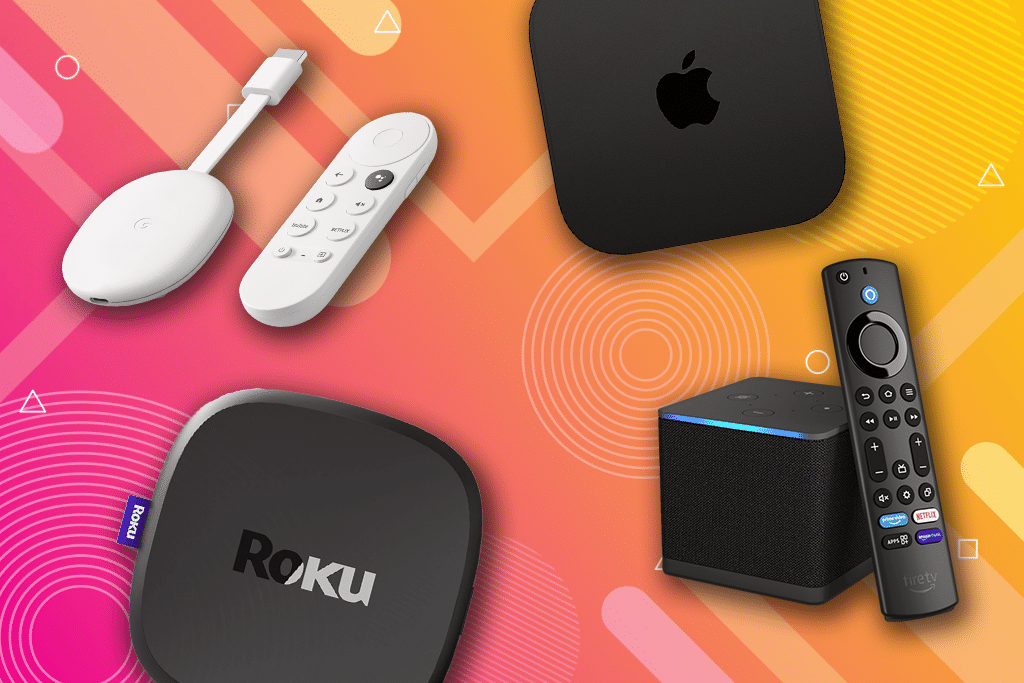
Devices like:
- Amazon Fire TV Stick 4K
- Apple TV 4K
- NVIDIA Shield TV
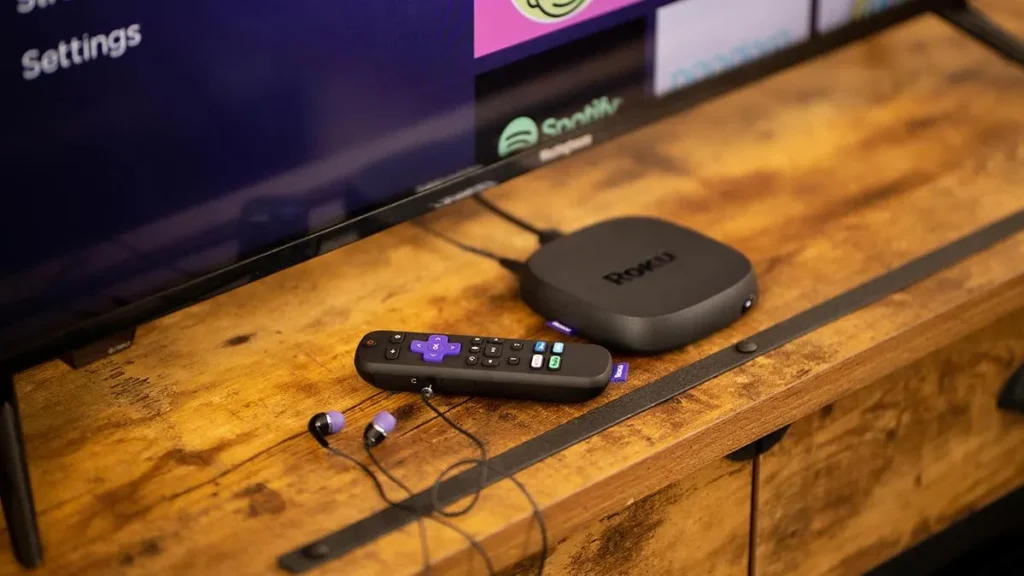
- Roku Streaming Stick 4K
Are no longer optional add-ons.
Theyre performance upgrades.
Your TV screen is just a monitor now.
The streaming device is the brain.
2️⃣ Core Architecture: How a Streaming Setup Actually Works
Think of your streaming system as 5 layers:
Layer 1: Hardware
The device (Firestick, Apple TV, Shield, Roku)
Layer 2: Network
Router + WiFi/Ethernet + ISP
Layer 3: Operating System
Fire OS, tvOS, Android TV, Roku OS
Layer 4: Applications
Netflix, live TV apps, IPTV players, etc.
Layer 5: Optimization & Security
DNS, VPN, cache management, updates
If one layer is weak the whole experience suffers.
Most people only focus on Layer 1.
Pros optimize all five.
3️⃣ Device Selection Strategy (Cluster Entry Point)
Choosing the right device depends on your use case.
🔹 Casual HD Streaming
Best Fit:
Amazon Fire TV Stick Lite
Affordable and simple.
🔹 4K Streaming + Smooth UI
Best Fit:
Amazon Fire TV Stick 4K Max
Balanced power and price.
🔹 Power User & IPTV Heavy Setup
Best Fit:
NVIDIA Shield TV Pro
More RAM. Better multitasking. Future proof.
🔹 Apple Ecosystem Users
Best Fit:
Apple TV 4K
Seamless integration with iPhone & iPad.
👉 Cluster Guide Topics From Here:
- Best Streaming Devices Comparison
- Firestick vs Apple TV vs Shield
- Budget vs Premium Streaming Hardware
4️⃣ Setup Blueprint (Execution Layer)
Here’s the correct order for setting up your streaming device.
Step 1: Physical Installation
✔ Connect HDMI
✔ Use wall power (not USB from TV)
✔ Select correct HDMI input
Step 2: Network Configuration
Golden rule: Stability > Speed.
Recommended minimum:
- HD → 15 Mbps
- 4K → 25+ Mbps
If possible:
✔ Use Ethernet adapter
✔ Switch to 5GHz WiFi
✔ Place router centrally
Step 3: Account Setup
Each device needs:
- Amazon account (Firestick)
- Apple ID (Apple TV)
- Google account (Android TV)
- Roku account
Keep passwords strong and enable 2FA where possible.
Step 4: App Installation Strategy
Dont install everything.
Install only what you use:
- Netflix
- Disney+
- Pluto TV
- Tubi
Too many apps = slow performance.
5️⃣ Optimization Layer (Performance Cluster)
Now we level up.
🔧 Display Settings
✔ Match resolution to TV
✔ Enable HDR only if supported
✔ Enable frame rate matching
Wrong display config = flicker & lag.
🔧 Storage Management
✔ Keep at least 20% free
✔ Delete unused apps
✔ Clear cache monthly
Low storage causes crashes.
🔧 Background Process Control
Especially on Android TV:
✔ Force stop unused apps
✔ Restart weekly
Streaming devices are mini computers. Treat them like one.
👉 Cluster Guide Topics From Here:
- How to Stop Firestick Lag
- Best Display Settings for 4K TVs
- Streaming Device Speed Optimization
6️⃣ IPTV & Live TV Integration (Advanced Layer)
If you use IPTV players like:
- TiviMate
- IPTV Smarters
Best practices:
✔ Use Ethernet
✔ Use reliable provider
✔ Adjust buffer settings
✔ Keep playlist updated
IPTV performance depends heavily on your network stability.
7️⃣ Security & Privacy Layer
Streaming devices are connected 24/7.
Protect them.
✔ Enable automatic system updates
✔ Avoid unknown APK downloads
✔ Use strong passwords
Some users use VPN services like:
- NordVPN
- ExpressVPN
For privacy and ISP throttling prevention.
Optional but common among power users.
8️⃣ Maintenance Routine (Long Term Stability)
Heres your monthly checklist:
✔ Restart device
✔ Restart router
✔ Clear cache
✔ Update firmware
✔ Remove unused apps
Small maintenance = long device life.
9️⃣ Upgrade Path Strategy (Future Proofing)
Technology evolves fast.
Upgrade when:
- Device struggles with 4K
- Apps crash frequently
- Storage constantly full
- UI feels laggy
High-performance devices last longer and save frustration.
🔟 Expert Setup Strategy (Pro Playbook)
Heres how experienced streamers build their ecosystem:
✔ Ethernet for main device
✔ Backup streaming app installed
✔ Separate guest WiFi network
✔ Router firmware updated
✔ Cloud DVR configured
✔ Smart home voice integration enabled
Streaming becomes seamless when every layer works together.
Final Thoughts: Build Once, Stream Smoothly Forever
Streaming Devices Setup isnt just about plugging something into HDMI.
Its about building a layered entertainment system:
Hardware
- Network
- Apps
- Optimization
- Security
- Maintenance
When these layers align → buffering disappears crashes reduce, performance improves.
This is your foundation.
Every other guide (IPTV setup, VPN setup, buffering fixes, app tutorials) connects back to this Pillar.
Build your streaming system right.
And enjoy smooth stress free entertainment in 2026 and beyond 🚀📺
Complete Streaming Devices Setup and Optimization Guide for 2026